
Uncategorized
Kingdom Casino Navigation Examined by New Zealand UX Specialist

For New Zealanders, an online casino’s digital interface is its gateway. We analyzed Kingdom Casino’s menu organization, emphasizing the logic behind guiding players through the site. Can you easily locate a slot or blackjack table, or does the menu create obstacles? That is what we aimed to discover.
Player-Driven Design vs. Company Targets
Each menu is a trade-off between user desires and company demands. A design built entirely for the player might put the cashier or game history up front. Kingdom Casino makes sure ‘Promotions’ has a prime spot, which is a common marketing strategy. The notable element is the way they integrate it. From our assessment, those marketing prompts are visible but do not significantly hinder a Kiwi player from accessing the primary games.
Consider the ‘Deposit’ button. It’s always within reach, which is just common sense for a casino. More revealing is the ordering of games in the core lobbies. The default view usually highlights featured or new releases. That is a commercial choice. But then they provide solid filters—enabling you to organize by variance, game attributes, or theme. That returns control to the player. This combined approach demonstrates that they understand helping players find exactly what they want is advantageous for the company in the long term.
Contrastive Logic: Advantages and Prospective Enhancements
Compared against other online casinos, Kingdom Casino’s menu logic is competent. Its main asset is a clear primary hierarchy and a mobile interface that adheres to current design conventions. The thinking is valid, relying on patterns players already understand. It doesn’t try to be smart, and in a casino setting where people want speed and familiarity, that’s actually a smart move.
There’s still space to improve by making the logic more customized. A few suggestions:
- A ‘Recently Played’ shortcut in the main menu would use a player’s own behavior to hasten their next visit.
- Letting users save a default filter view in the game lobbies would mean the system adapts to them, not the other way around.
- Context-sensitive help links inside menu areas could answer common Kiwi questions about licensing or local payment methods before they’re even raised.
Our review determines Kingdom Casino’s menu is built on strong, conventional logic //casinokingdoms.org/en-nz/. It effectively guides New Zealand players from a general idea to a specific game with a clear hierarchy and a smart mobile layout. While adding more customized touches could make it better, the current setup is a confident one. It equilibrates business needs with user clarity, making sure the journey to the games is simple.
Mobile Navigation: Streamlined Logic Under Pressure
Navigation menus really show their value on a mobile screen. For a person using their phone on the bus in Auckland, a disorganized navigation is a turn-off. Kingdom Casino uses a standard bottom navigation bar on mobile. This is a smart spatial choice, designed for how thumbs work. This condensed menu has to make tough calls about what’s most important, and it centers on five core actions: Home, Games, Search, Promotions, and Account.
- Constant Access:
- Prioritized Search:
- Concealed Complexity:
Terminology and Local Connection for NZ Players
Smart organization isn’t only where things are placed. It’s also regarding the words chosen. Menu labels must click instantly. Kingdom Casino uses ‘Slots’, which is the common digital term here, though we might say ‘pokies’ in conversation. ‘Live Casino’ is just as straightforward. We searched for any labels that might make a local player to hesitate, but the language is typical and clear.
This clarity carries over to promo banners and the help sections. You won’t find confusing jargon or terms that are not common locally. The result is a platform that seems designed for a broad English-speaking audience, which neatly includes New Zealand. It does not seem like it was copied from another market with other slang.
The Core Layout: A Detailed Analysis of Hierarchy
Kingdom Casino opens with a classic top-level menu. You see wide headings straight away: ‘Slots’, ‘Live Casino’, ‘Promotions’. This simple structure works. It stops you from feeling overwhelmed by choice. For users in cities like Wellington or Dunedin, the primary consideration is clear: what type of game am I in the mood for? The menu organizes the casino’s content into distinct sections, which is logical and aligns with user objectives.
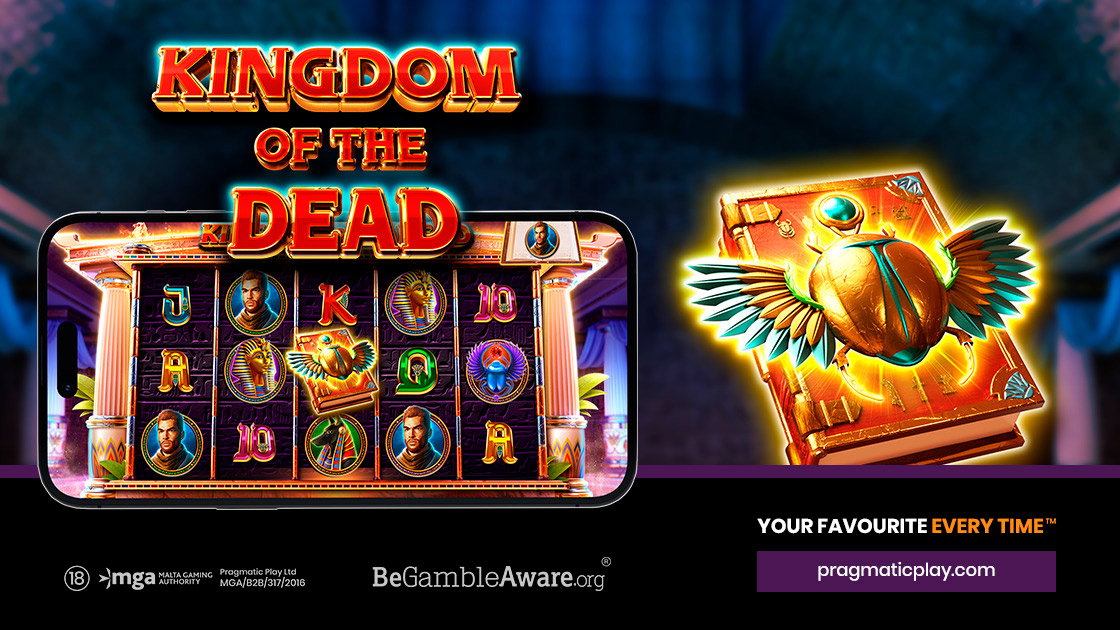
Sub-menus reveal the actual navigation quality. Select ‘Slots’, and the organization system varies. You may find categories like ‘Popular’ or ‘New’ alongside filters for particular software developers. This indicates the menu aims to accommodate two separate user personas at the same time. Some users simply want to browse popular games. The other is hunting for a specific title from NetEnt or Pragmatic Play. The structure is reasonable, but you detect its layered complexity once you start digging.